
Best Home Improvement Projects for Maximum Resale Value
Discover the best home improvement projects that boost resale value and comfort. Learn how to prioritize and finance them with confidence.

By Elena John
Learn more about Kitchen Remodel for guides, costs, and what to expect.
Compare Kitchen Remodel Pros Near You

Enter your ZIP code to compare top-rated local professionals and request free quotes.
When you think about improving your home, the first question is often about return on investment. Not every renovation adds equal value, and some projects can even make your home harder to sell. The best home improvement projects balance personal enjoyment with practical resale appeal, and they also make your daily life more comfortable. This guide walks through the upgrades that matter most, how to prioritize them, and why using a platform like FreeQuotes.Contractors can simplify the entire process.
Why Project Selection Matters More Than Ever
Home improvement is not just about aesthetics. It is about making strategic decisions that pay off when you sell and while you live in the space. According to industry data, minor kitchen remodels and siding replacements consistently recoup over 75 percent of their costs at resale. On the other hand, a lavish backyard transformation or a high-end home office might only return half of what you spent. The key is to focus on projects that address both buyer expectations and your own lifestyle needs.
Another factor is marketability. Homes that require fewer immediate repairs sell faster and at higher prices. When buyers see a new roof, updated electrical panels, or a modernized bathroom, they feel confident that the home has been cared for. That confidence translates into fewer negotiations and a smoother closing process. For homeowners who plan to stay for several years, these same projects reduce maintenance headaches and energy bills, creating a win-win scenario.
The Top Projects That Deliver Real Returns
Some projects are timeless in their appeal. They work across different climates, housing styles, and buyer demographics. Below are the upgrades that consistently rank as the best home improvement projects for both resale value and everyday enjoyment.
1. Kitchen Remodels: The Heart of the Home
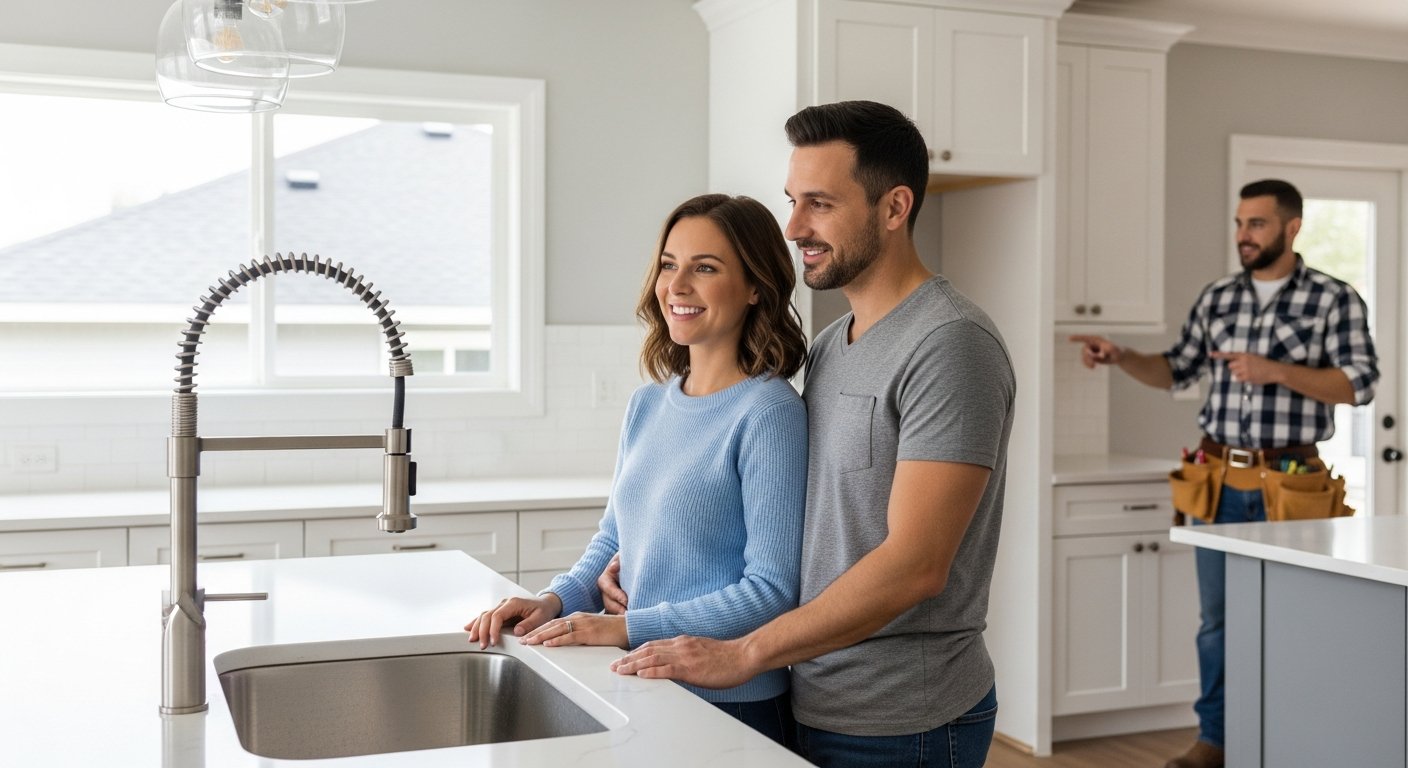
The kitchen is where families gather and where buyers first look. A full gut renovation is expensive, but you do not need to tear everything out to make an impact. Focus on three areas: cabinet fronts, countertops, and appliances. Replacing dated cabinet doors with modern shaker styles costs a fraction of a full replacement. Quartz or granite countertops add a premium feel. Stainless steel appliances, even mid-range models, signal quality and consistency.
If your budget allows, consider adding a kitchen island. It improves workflow and provides extra seating, which is a major selling point. Keep the layout intact to avoid plumbing and electrical relocation costs. A minor or mid-scale kitchen remodel returns roughly 80 percent of its cost, making it one of the safest investments you can make.
2. Bathroom Updates: Small Space, Big Impact
Bathrooms are another high-traffic area where buyers form strong opinions. You can update a bathroom without a full renovation. Replace the vanity, install a new faucet, and update the lighting. Re-grouting tile and replacing the toilet are low-cost changes that make the room feel fresh. If you have a tub that is worn or stained, refinishing it can save thousands compared to replacement.
For a more extensive project, consider upgrading to a walk-in shower with frameless glass. This appeals to aging homeowners and younger buyers alike. Adding a second bathroom, if your home lacks one, is also a high-value project, but it requires careful planning and a larger budget. In either case, a modern, clean bathroom can recoup up to 70 percent of its cost.
3. Energy Efficiency Upgrades: Save Money and Attract Buyers
Energy-efficient homes are no longer a niche preference. They are a priority for many buyers who want to lower utility bills and reduce their carbon footprint. The best home improvement projects in this category include replacing old windows, adding insulation, and upgrading to a high-efficiency HVAC system. These upgrades not only make your home more comfortable but also increase its marketability.
Solar panel installation is another option that has gained traction, especially in sunny states. While the upfront cost is significant, the long-term savings and tax incentives often make it worthwhile. If you are not ready for solar, start with a smart thermostat and LED lighting. These small changes show buyers that the home is modern and efficient, which can set it apart from similar listings.
4. Roofing and Siding: The Exterior Matters
Curb appeal is the first impression, and the roof and siding are the most visible elements. A new roof not only protects the home but also gives it a fresh look. Asphalt shingle roofs are cost-effective and come in a variety of colors. Metal roofs are more durable and energy-efficient, but they require a higher initial investment. Siding replacement, whether with vinyl, fiber cement, or wood, can dramatically change the home's appearance and improve insulation.
These projects are not glamorous, but they are essential. A leaking roof or crumbling siding will scare off potential buyers and lead to costly negotiations. By addressing these issues proactively, you position your home as move-in ready. Most roofing and siding projects recoup over 70 percent of their costs, making them smart choices for long-term value.
5. Flooring: The Foundation of Interior Style
Flooring ties the whole interior together. Worn carpets and outdated vinyl can make a home feel neglected. Hardwood floors are the gold standard, but they can be expensive. Luxury vinyl plank (LVP) and laminate offer a similar look at a lower price point. They are also more resistant to moisture and scratches, making them ideal for families with pets and children.
If you already have hardwood floors, refinishing them is a cost-effective way to restore their beauty. For homes with concrete slabs, stained or polished concrete is a modern and durable option. Flooring is one of the first things buyers notice, so investing here ensures a positive first impression.
How to Prioritize Your Projects and Budget
Not every project can be done at once, and that is okay. Start by making a list of what your home needs versus what you want. Prioritize projects that address safety issues, structural problems, or energy inefficiency. Then, consider which upgrades will give you the most enjoyment while you live there and the best return when you sell. Create a realistic budget that includes a 10 to 20 percent contingency for unexpected issues.
When you have a shortlist, it is time to get quotes. This is where FreeQuotes.Contractors becomes your best ally. Instead of calling multiple contractors one by one, you can submit one request and receive multiple quotes from pre-vetted local professionals. This saves you time, ensures you get competitive pricing, and helps you compare services side by side. Here are the steps to use the platform effectively:
- Describe your project in detail, including the scope, materials, and timeline you have in mind.
- Submit your request and wait for quotes from vetted contractors in your area.
- Review each quote carefully, checking for licenses, insurance, and references.
- Ask follow-up questions and negotiate if needed, then choose the contractor that best fits your needs.
By gathering multiple quotes, you can avoid overpaying for labor and materials. You also gain leverage in negotiations, because you know what the market rate is for your specific project. This transparency is invaluable, especially for larger renovations where costs can vary widely.
Financing Your Projects Without Financial Stress
Home improvements require capital, and many homeowners are unsure how to fund them. The first step is to assess your savings and see how much you can comfortably allocate. If you need financing, there are several options, including home equity loans, home equity lines of credit (HELOCs), and personal loans. Each has its pros and cons, so it is important to compare interest rates and terms.
Another option is to tackle the project in phases. For example, if you are remodeling a kitchen, you can do the countertops and appliances first, then save up for the cabinet replacement. This approach reduces the need for large loans and allows you to spread the cost over time. Additionally, some contractors offer payment plans or financing through third-party providers, so be sure to ask when you receive your quotes.
Energy-efficient upgrades may also qualify for federal tax credits or local utility rebates. These incentives can significantly reduce your out-of-pocket costs. Research what is available in your area, and factor those savings into your budget. With careful planning and the right financing, you can complete your projects without putting your financial stability at risk.
Common Mistakes to Avoid in Home Improvement
Even the best home improvement projects can go wrong if you make simple errors. One of the most common mistakes is choosing the lowest bid without checking the contractor's credentials. A low quote may mean low-quality materials or rushed work. Always verify that the contractor is licensed and insured, and ask for references from recent projects. This is a standard practice, and a reputable professional will be happy to provide them.
Another mistake is neglecting permits and local building codes. Some homeowners try to save money by skipping permits, but this can lead to fines and problems when you sell. Permits ensure that the work is safe and up to code, and they protect you from liability. Your contractor should handle the permitting process, but it is your responsibility to confirm it is done correctly.
A third mistake is underestimating the importance of good communication. Set clear expectations about the timeline, budget, and changes before the work begins. Regular check-ins with your contractor can prevent misunderstandings and keep the project on track. If you encounter an issue, address it immediately rather than letting it escalate. Good communication is the key to a smooth renovation experience.
Why FreeQuotes.Contractors Is the Smart Way to Start
Finding the right contractor is often the hardest part of any home improvement project. You want someone who is skilled, reliable, and fairly priced. FreeQuotes.Contractors solves this problem by connecting you with pre-vetted local contractors who specialize in the exact service you need. Whether it is roofing, HVAC, windows, bathroom remodeling, or flooring, the platform streamlines the process and gives you peace of mind.
When you use FreeQuotes.Contractors, you are not just getting a list of names. You are getting a curated selection of professionals who have been vetted for quality and reliability. The platform also provides educational resources and FAQs to help you understand the costs and processes involved. This combination of information and access makes it easier to make confident decisions and achieve the results you want.
To get started, simply visit the website and submit a request for the project you have in mind. You will receive free quotes from multiple contractors, allowing you to compare pricing, services, and timelines. This transparency ensures you get the best value for your investment, and it eliminates the guesswork of hiring a contractor. With the right team on your side, your best home improvement projects will be completed on time, within budget, and to your exact specifications.
In the end, the best home improvement projects are those that enhance your daily life and increase your home's value. By focusing on high-impact areas like the kitchen, bathrooms, energy efficiency, and the exterior, you can make upgrades that are both enjoyable and financially sound. Use the resources available to you, including FreeQuotes.Contractors, to plan carefully and hire the best professionals for the job. Your home is one of your biggest assets, and investing in it wisely is one of the smartest decisions you can make.