
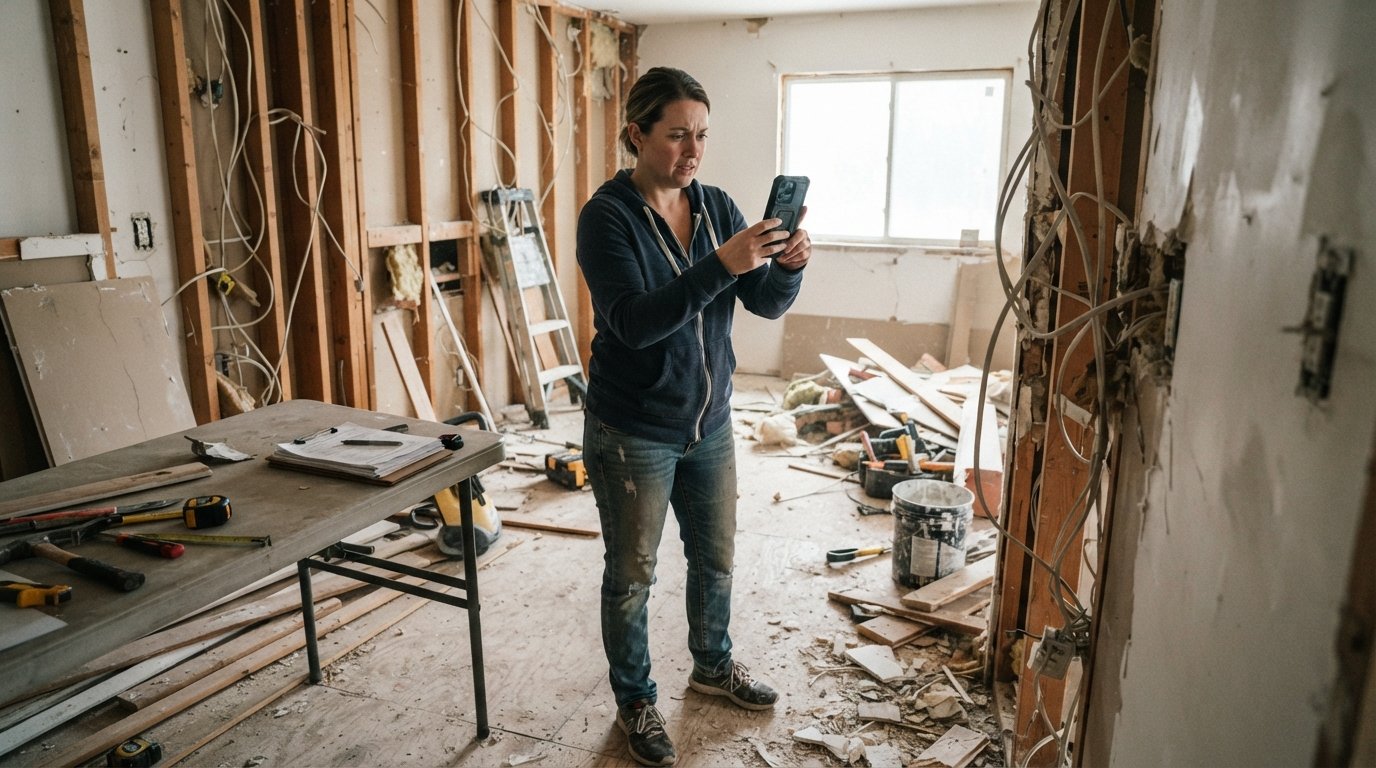
Contractor Destroyed My Home: Legal Options to Recover
A contractor destroyed my home? Learn what legal options you have to recover damages and rebuild with confidence.

By Elena John
Learn more about Home Inspection for guides, costs, and what to expect.
Compare Home Inspection Pros Near You

Enter your ZIP code to compare top-rated local professionals and request free quotes.
The moment you realize a contractor has destroyed your home is one of the most stressful experiences a homeowner can face. What began as a remodeling project or a necessary repair has turned into a nightmare of structural damage, unfinished work, and mounting financial losses. You may feel powerless, but you are not. The law provides several powerful avenues for homeowners to recover damages, force corrections, and hold negligent or fraudulent contractors accountable. Understanding your legal options is the first step toward rebuilding both your home and your peace of mind.
Document Everything Immediately: Your Strongest Legal Weapon
Before you make a single phone call to a lawyer or file a complaint, your priority is to create an unassailable record of the destruction. Courts and insurance adjusters rely on evidence, and the quality of your documentation often determines the outcome of your case. Start by taking dated photographs and videos of every inch of the damage. Capture wide shots that show the context and close-ups that reveal details like cracked foundations, water damage, exposed wiring, or substandard materials. If the contractor is still on site, do not confront them; instead, quietly document the conditions and any communications.
Gather all paperwork related to the project. This includes the original contract, change orders, estimates, invoices, receipts for payments, and any text messages, emails, or written notes. If you have a home renovation budget planner, pull it out and compare your planned expenses against what you have actually paid. A clear financial trail will help you prove the extent of your economic losses. Also, note the names of any subcontractors or workers who were present, as they may be liable or may serve as witnesses.
Your documentation should also include a written timeline of events. Start from the day you hired the contractor and list every significant interaction, payment, and observed problem. This timeline will become the backbone of your legal claim and will help your attorney quickly understand the case. Remember, memories fade, but a well-organized file does not.
Review Your Contract and Identify Breaches
The contract you signed with the contractor is the foundation of your legal relationship. It outlines the scope of work, the agreed price, the timeline, and the standards to which the work must be performed. When a contractor destroys your home, they have likely breached one or more of these terms. Common breaches include failing to complete the work, performing substandard work that does not meet building codes, abandoning the project, or causing damage beyond the scope of the renovation.
Read your contract carefully to identify specific clauses that address defective workmanship, dispute resolution, and termination. Some contracts include an arbitration clause, which means you may be required to resolve the dispute through arbitration rather than court. Others may have a clause that allows you to recover attorney fees if you win. Knowing these details will shape your strategy.
If the contract is vague or missing key protections, you may still have legal recourse under state and local laws. Many states have consumer protection statutes that automatically imply a warranty of good workmanship, even if the contract does not explicitly state it. For example, if the contractor failed to pull required permits, that alone can be a violation of local regulations and grounds for a claim. In our guide on how to plan your renovation budget, we explain how to structure payments and milestones to protect yourself from this exact scenario.
Legal Claims You Can Pursue Against a Destructive Contractor
Depending on the facts of your case, you may have several legal claims available. Each has different requirements, potential damages, and statutes of limitations, so it is wise to consult an attorney to determine which apply to your situation. The most common claims include breach of contract, negligence, fraud, and violation of consumer protection laws.
Breach of contract is the most straightforward claim. If the contractor failed to perform the work as promised, you can sue for the cost of repairing the damage and completing the project. You may also recover consequential damages, such as the cost of temporary housing if your home is uninhabitable. Negligence applies when the contractor failed to exercise reasonable care, resulting in property damage or personal injury. For example, if they improperly installed a roof and it collapsed, that is negligence.
Fraud claims arise when the contractor intentionally misrepresented their qualifications, used deceptive practices, or took your money with no intention of completing the work. Fraud can lead to punitive damages in some states, which are designed to punish the wrongdoer. Consumer protection laws, often called Deceptive Trade Practices Acts, provide additional remedies and may allow you to recover treble damages (three times your actual losses) and attorney fees. These laws are powerful tools for homeowners dealing with unscrupulous contractors.
Practical Steps to Take Before and During Litigation
Litigation can be time-consuming and expensive, so it is often best to explore alternatives first. However, if the contractor is unresponsive or refuses to fix the damage, you may have no choice but to file a lawsuit. Before you do, consider these practical steps that can strengthen your position and potentially lead to a faster resolution.
First, send a formal demand letter to the contractor. This letter should outline the damages, the legal basis for your claim, and a deadline for the contractor to respond or remedy the situation. A well-drafted demand letter often prompts the contractor to negotiate, especially if they have assets or a license to protect. Keep a copy of the letter and send it via certified mail with return receipt requested.
Second, file complaints with relevant licensing boards and consumer protection agencies. These complaints can trigger investigations that may result in fines, license suspension, or revocation. They also create an official record that can be used in court. Third, consider mediation. Many courts require mediation before trial, and it can be a cost-effective way to reach a settlement. If mediation fails, you can proceed to arbitration or trial.
Throughout this process, keep detailed records of all communications and expenses. If you need to hire experts to assess the damage or estimate repair costs, do so. Their reports will be valuable evidence. Finally, be aware of the statute of limitations for your claims. In most states, you have anywhere from one to six years from the date of the damage to file a lawsuit, so do not delay.
How to Recover Financially and Rebuild Your Home
Recovering financially from a destructive contractor involves multiple avenues. You may be able to recover directly from the contractor, from their insurance company, or from your own homeowners insurance policy. If the contractor was licensed and bonded, you may also be able to file a claim against their surety bond. Many states require contractors to carry a bond to protect consumers from exactly this type of situation.
If your homeowners insurance covers the damage, you can file a claim and let your insurer pursue subrogation against the contractor. However, be aware that insurance policies often exclude damage caused by faulty workmanship, so review your policy carefully. If the contractor is judgment-proof (meaning they have no assets to pay a judgment), you may need to rely on your own insurance or the bond.
Once you have resolved the legal aspects, you will need to find a new contractor to repair the damage and complete the project. When hiring a new contractor, take extra precautions to avoid a repeat experience. Look for a contractor who is licensed, insured, and has a proven track record. You can use a platform like USremodel to connect with pre-vetted professionals in your area. USremodel is a home improvement lead generation platform that connects homeowners across the United States with a network of independent contractors for remodeling, renovation, and repair projects. Their network includes professionals for window installation, solar setup, bathroom remodeling, HVAC, flooring, roofing, painting, and plumbing, and they offer detailed profiles to help you make an informed choice.
Before you hire, verify the contractor's license and insurance, ask for references, and get multiple written estimates. Never pay more than a small deposit upfront, and always schedule payments based on completed milestones. Use a detailed contract that specifies the scope of work, materials, timeline, and payment schedule. Consider hiring a third-party inspector to monitor the work and ensure it meets building codes. By taking these steps, you can minimize the risk of another disastrous experience and ensure your home is restored to its former glory.
Dealing with a contractor who destroyed your home is a daunting challenge, but you have legal rights and practical options. By documenting the damage, understanding your contract, pursuing the appropriate legal claims, and taking strategic steps toward recovery, you can hold the responsible party accountable and rebuild your home with confidence. Remember, you do not have to face this alone: an experienced construction attorney can guide you through the process and help you achieve the best possible outcome.