
How to Find a Reliable Home Repair Contractor
Learn how to find reliable home repair contractor with a step-by-step process that covers vetting, estimates, contracts, and red flags to avoid.
By Adnan Nazir
Learn more about General Contracting for guides, costs, and what to expect.
Compare General Contracting Pros Near You

Enter your ZIP code to compare top-rated local professionals and request free quotes.
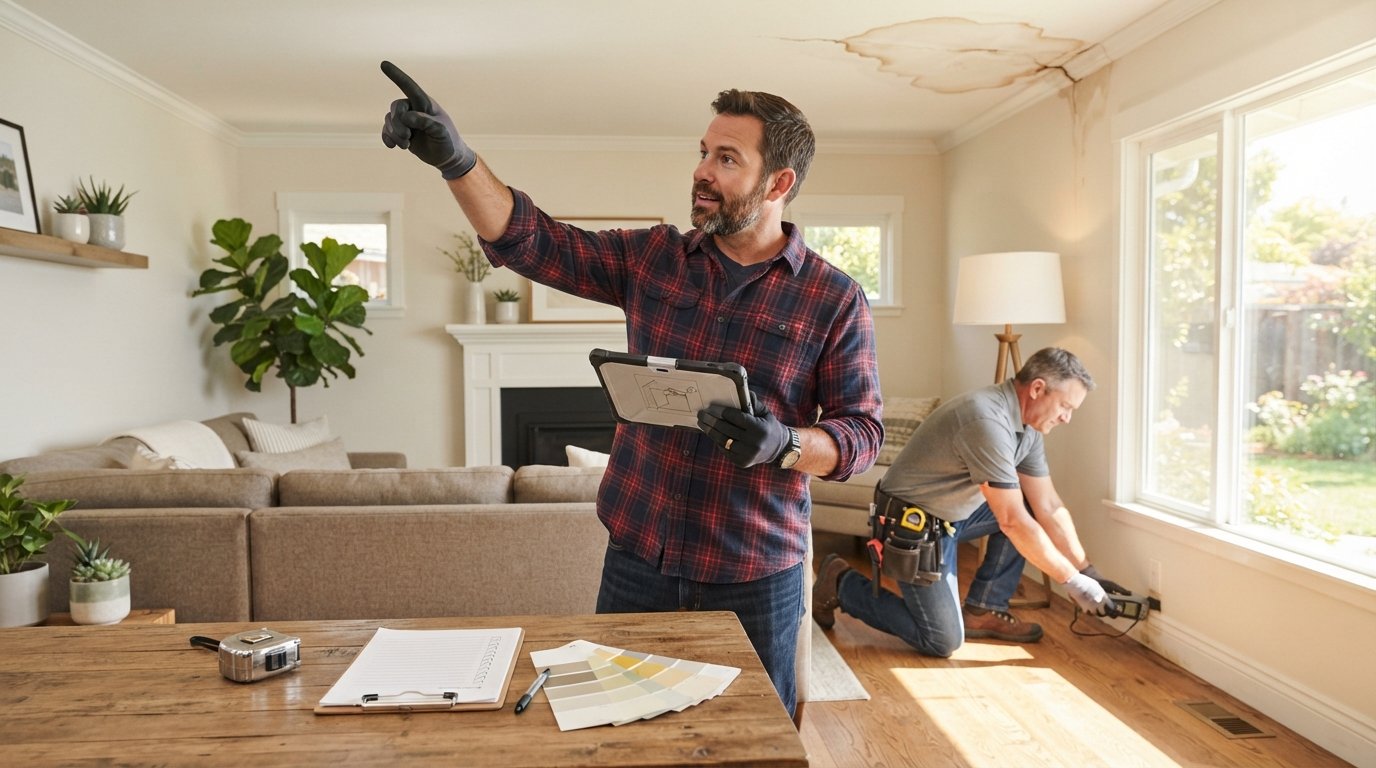
You have spotted a leaky roof, a cracked foundation step, or a water stain spreading across the ceiling. The urge to grab the phone and hire the first name from a search engine is strong, but that impulse often leads to costly mistakes, shoddy workmanship, and months of regret. Finding a reliable home repair contractor is not about luck; it is a structured process of research, verification, and clear communication. This guide walks you through that process step by step, so you can hire with confidence and avoid the horror stories that plague the home improvement world.
Define the Scope of Your Project Before You Search
Before you type a single query into a search bar, take a weekend to understand exactly what needs to be fixed. A vague request like "fix the bathroom" will attract contractors who smell uncertainty and inflate prices. Instead, walk through your home, take photos, measure dimensions, and note the specific materials involved. For example, is the issue a leaky faucet, a cracked tile, or a failing shower pan? Each requires a different specialist and a different budget.
Write down your ideal timeline, your maximum budget, and any must-haves like permits or specific materials. This clarity serves two purposes: it helps you communicate precisely with potential hires, and it prevents contractors from upselling you on unnecessary work. When you have a defined scope, you can compare bids fairly and spot outliers immediately. If a contractor's estimate is wildly lower than others, you will know to ask why, not just celebrate the savings.
Additionally, decide whether this is a simple repair or part of a larger renovation. Simple repairs like fixing a garbage disposal might only need a handyman, while structural issues require a licensed general contractor. Knowing the difference saves you from overpaying for a specialist when a generalist suffices, or worse, hiring a generalist for a job that demands a licensed professional.
Build a Strong Candidate List from Trusted Sources
Your first instinct might be to open a search engine and browse results, but that approach surfaces heavily advertised companies that may not be the best fit. Instead, start with your personal network. Ask neighbors, friends, family, and local community groups on social media for recommendations. People are usually eager to share both glowing praise and cautionary tales. A personal referral carries weight because you can see the actual work and ask the homeowner about their experience.
Next, tap into industry-specific resources. Your local building department can tell you which contractors hold active licenses and whether any complaints have been filed. Trade associations like the National Association of Home Builders or the National Roofing Contractors Association often maintain member directories that require adherence to ethical standards. Homeowners who use a service like FreeQuotes.Contractors can also get matched with pre-vetted local pros, saving time on the initial screening phase.
As you gather names, create a spreadsheet or a simple list. For each candidate, note their phone number, website, and the source of the referral. This list should have at least three to five candidates to ensure you have options for comparison. Do not stop at the first name that looks decent; a robust list gives you leverage and a fallback if your top choice falls through.
Verify Licenses, Insurance, and Credentials
Once you have a candidate list, the real vetting begins. A reliable contractor will happily provide proof of licensing and insurance, because they want to protect themselves as much as you. Call your local licensing board or check their website to confirm that the contractor's license is active and in good standing. License requirements vary by state and trade, so make sure the contractor holds the specific type required for your project.
Insurance is non-negotiable. You need to see a certificate of general liability insurance that covers property damage and bodily injury, and you also want proof of workers' compensation coverage. If a contractor is not insured, you could be held liable for any accidents on your property. Do not accept a verbal assurance; request a physical or digital copy of the certificate and verify it with the insurance agency directly if possible.
Beyond licenses and insurance, look for additional credentials that signal professionalism. Many contractors hold certifications from manufacturers or industry organizations, like being a GAF Master Elite roofer or a certified Lead-Safe contractor. These credentials often require ongoing training and adherence to strict standards. They are not a guarantee of quality, but they demonstrate a commitment to the trade that a fly-by-night operator lacks.
Check References and Online Reviews Thoroughly
A contractor's portfolio and references are your window into their past performance. Ask for at least three recent references from projects similar to yours, and actually call them. Prepare a short list of questions: Was the contractor punctual and professional? Did they stick to the budget and timeline? How did they handle unexpected issues? Would you hire them again? Ask to see the finished work in person if possible, or at least request photos.
Online reviews are a complementary source, but they require careful reading. Sites like Google, Yelp, and Angi can reveal patterns of behavior. Look for consistent themes in complaints, like missed deadlines or poor communication, rather than a single bad review. Also, check how the contractor responds to negative feedback. A professional who addresses criticism calmly and offers solutions shows accountability, while one who attacks reviewers reveals a lack of maturity.
Be wary of contractors with only a handful of reviews, all glowing and written in a similar tone. These could be fabricated. Cross-reference the contractor's name with the Better Business Bureau and your state's attorney general office for any unresolved complaints. This thoroughness might feel excessive, but it is the difference between a smooth project and a legal nightmare.
Get Multiple Detailed Written Estimates
When you have narrowed your list to three or four solid candidates, invite them to walk through the project and provide a written estimate. Do not accept a quote over the phone or a vague email that lists a single price. A detailed estimate should break down labor, materials, permits, cleanup, and any potential contingencies. It should also specify the payment schedule, the start and completion dates, and the warranty terms.
Comparing estimates is an education in itself. The lowest bid is not automatically the best, and the highest is not always a rip-off. A low bid might indicate that the contractor plans to cut corners on materials or labor, while a high bid could reflect premium products or a more thorough scope. Look for outliers and ask each contractor to explain their pricing. If one bid is significantly lower, ask why. If another is much higher, ask what extras you are getting.
During this process, pay attention to how the contractor communicates. Are they responsive to your questions? Do they explain technical details in plain language? Do they volunteer information about potential challenges? A contractor who is transparent during the estimate phase is likely to be transparent during the work itself. Trust your instincts here; if a contractor makes you uncomfortable during the sales pitch, the project will only get worse.
Red Flags to Avoid in Contractor Selection
Even with a structured process, you need to stay vigilant for warning signs that indicate a contractor is not trustworthy. These red flags can appear during any stage of your interaction.
- Requests for a large upfront payment before any work is done, especially a deposit exceeding 10 to 20 percent of the total.
- Pressure tactics, like claiming the deal is only valid today or demanding a decision on the spot.
- Reluctance to provide a written contract or a request to pay in cash to avoid taxes.
- Lack of a physical business address or a phone number that always goes to voicemail.
- Unwillingness to pull permits or a suggestion that you pull them yourself to save money.
If you encounter any of these signs, cross that contractor off your list immediately. No amount of savings is worth the risk of a half-finished project, a legal dispute, or a lien on your home. Remember that reliable contractors have nothing to hide and will gladly put everything in writing for your protection.
After you have collected estimates and checked references, you might still feel uncertain. That is normal. The decision to hire a contractor is a significant financial and emotional commitment. Take your time, revisit your notes, and discuss the options with a trusted advisor. A reliable contractor will respect your need for deliberation and will not rush you into a decision.
Ask the Right Questions Before Signing a Contract
Before you sign on the dotted line, schedule a final conversation with your top candidate. This is your opportunity to clarify any remaining doubts and to establish expectations for the project. Prepare a list of questions that go beyond the basics: How exactly will you protect my floors and furniture during the work? Who will be the point of contact on a daily basis? How do you handle change orders if I decide to alter the scope mid-project?
Also, ask about the crew. Will the work be done by the contractor themselves, or will they subcontract to other trades? If subcontractors are involved, ask for their names and verify their own licenses and insurance. A contractor who is vague about who will be on site is a red flag. You want to know exactly who will be in your home and who is responsible for each task.
Finally, confirm the warranty details. A reliable contractor stands behind their workmanship, typically offering a one-year warranty on labor, while manufacturers provide their own warranties on materials. Get the warranty terms in writing, including what is covered and how to file a claim if something goes wrong. This documentation protects you long after the final payment is made.
Secure a Solid Contract and Payment Schedule
The contract is your most important legal document, so it must be airtight. It should include the full scope of work, a detailed description of materials and their brands, a timeline with start and completion dates, a payment schedule tied to milestones, and a process for change orders. It should also outline what happens if the contractor fails to complete the work on time or abandons the job.
Never sign a contract that leaves blank spaces or uses vague terms like "miscellaneous expenses." Every line item should be clear and specific. If the contractor refuses to put something in writing that they promised verbally, walk away. Verbal promises are not enforceable, and a contractor who will not commit to paper is not reliable.
Regarding payment, structure it so that you retain leverage. A common schedule is 10 to 20 percent upfront, then payments at defined milestones like completion of rough-in or final inspection. Never pay the full amount before the work is finished and you have done a final walkthrough. If a contractor demands full payment upfront, consider that a dealbreaker. A reputable pro has the cash flow to cover materials and labor until the job is done.
Manage the Project and Keep Everything Documented
Once the work begins, your job is not over. Stay involved, but do not hover. Establish a regular communication rhythm, like a daily check-in at the end of the day to review progress and address any concerns. Keep a written log of all communications, including emails, texts, and photos of the work at each stage. This documentation is invaluable if a dispute arises.
When unexpected issues surface, as they almost always do, handle them through the change order process. A change order is a formal amendment to the contract that outlines the new scope and any cost adjustments. Never agree to extra work verbally without a written change order, because you might be billed for it later. A reliable contractor will proactively suggest change orders for any additional work they recommend.
At the end of the project, do a thorough walkthrough with the contractor. Test every fixture, check for any remaining issues, and make a punch list of items that need correction. Do not make the final payment until the punch list is complete and you are satisfied. Once everything is resolved, collect all warranties, invoices, and lien releases from subcontractors or suppliers to protect yourself from any future claims.
Leverage Platforms That Pre-Screen Contractors
The traditional vetting process is thorough, but it is also time-consuming. For homeowners who want to streamline the search, digital marketplaces like USremodel and FreeQuotes.Contractors offer a valuable shortcut. These platforms pre-screen contractors based on licensing, insurance, and background checks, and they connect you with local professionals who are actively seeking work. You can submit a single request and receive multiple quotes, saving you hours of cold calling and research.
Using a platform does not eliminate the need for your own due diligence, but it does raise the baseline quality of candidates. You still need to check references and read the contract carefully, but you can skip the initial screening for red flags. For busy homeowners or those tackling a complex project, this combination of platform screening and personal verification is the most efficient path to a reliable hire.
In our seasonal home maintenance checklist, we explain how regular upkeep can prevent small issues from becoming major repairs. Because finding a reliable contractor is much easier when you are not in an emergency, proactive maintenance gives you the luxury of time to research and hire the best person for the job.
Finding a reliable home repair contractor is a blend of homework, intuition, and structured verification. By defining your project, building a strong candidate list, verifying credentials, checking references, comparing detailed estimates, and signing a clear contract, you protect your home and your wallet. It takes effort, but the peace of mind that comes from knowing you hired the right professional is worth every minute. Start your search today with a clear plan, and you will be rewarded with a home that is safe, sound, and beautifully repaired.
Learn more about General Contracting for guides, costs, and what to expect.
Compare General Contracting Pros Near You
Enter your ZIP code to compare top-rated local professionals and request free quotes.