
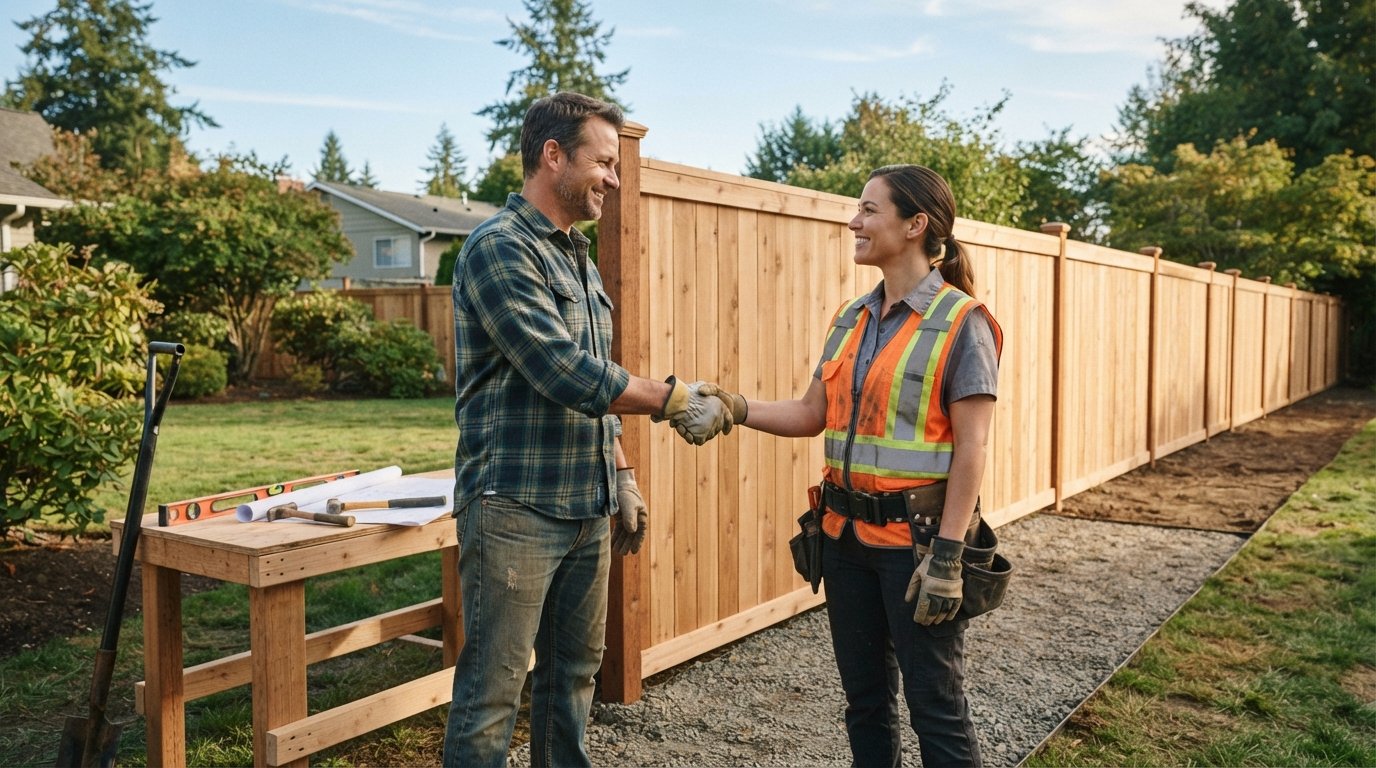
How to Hire Fence Contractors Without Overpaying
Learn how to hire reliable fence contractors without overpaying. Get tips on vetting, comparing quotes, and avoiding common pitfalls in this essential guide.
By Adnan Nazir
Learn more about Fence and Gate Installation for guides, costs, and what to expect.
Compare Fence and Gate Installation Pros Near You

Enter your ZIP code to compare top-rated local professionals and request free quotes.
Your fence is more than a property line. It provides privacy, security, curb appeal, and a clear boundary for pets and children. But when that fence starts leaning, rotting, or simply looks outdated, you face a big decision: tackle the project yourself or hire a professional. While a DIY fence build might seem like a money saver, the truth is that most homeowners lack the time, tools, and expertise to do the job right. That is where skilled fence contractors come in. Hiring the right professional can be the difference between a beautiful, long-lasting fence and a costly, frustrating disaster. Yet, the process of finding and vetting contractors can feel overwhelming. This guide walks you through every step, from defining your project to comparing bids, so you can hire with confidence and avoid paying a cent more than necessary.
Why Professional Fence Contractors Are Worth the Investment
Many homeowners attempt to install or repair their own fences to save money. While a simple chain-link project on flat ground might be doable for a seasoned DIYer, most fence installations involve complexities that quickly turn into expensive mistakes. Uneven terrain, underground utility lines, local building codes, and the sheer physical labor of setting posts correctly are just a few of the challenges. Professional fence contractors bring experience, specialized equipment, and an understanding of local regulations that ensure your fence is safe, durable, and code-compliant.
Moreover, a professional installation protects your investment. A poorly installed fence can sag, lean, or even collapse within a few years, leaving you with repair costs that exceed the original savings from doing it yourself. Contractors also have access to higher-quality materials and can offer warranties on both labor and materials, providing long-term peace of mind. According to industry data, a professionally installed wood fence can last 15 to 20 years, while a poorly installed one might need replacement in under a decade. The value of that longevity far outweighs the upfront cost of hiring a pro.
Finally, professional fence contractors handle the entire process, from obtaining necessary permits to scheduling inspections. They manage the logistics, so you do not have to. This convenience, combined with the guaranteed quality of work, makes hiring a professional the smarter, more cost-effective choice for the vast majority of homeowners. When you compare the potential for expensive mistakes and the time commitment required for DIY, the value proposition becomes clear.
Defining Your Fence Project Before You Call
Before you start reaching out to contractors, you need a clear vision of what you want. The more specific you can be about your project, the more accurate the quotes you receive will be. Start by determining the primary purpose of your fence. Is it for privacy, security, aesthetic appeal, or containing pets? Your answer will guide your material and height choices. Privacy fences are typically taller (6 to 8 feet) and made of wood, vinyl, or composite materials. Security fences might include chain-link or ornamental metal. Aesthetics might lead you to cedar, wrought iron, or a decorative aluminum style.
Next, measure the perimeter of the area you want to enclose. You do not need an exact measurement, but a rough estimate in linear feet is crucial for getting initial price ranges. Also, note any slopes, rocks, trees, or existing structures that could complicate the installation. These site conditions significantly affect labor costs. For example, a fence on a slope requires stepped or racked panels, which is more labor-intensive and costly than a fence on level ground. Similarly, rocky soil can make post-hole digging difficult and time-consuming, potentially adding to the quote.
Finally, decide on the material. The most common options are:
- Wood: Classic, affordable, and versatile. Cedar and redwood are naturally rot-resistant, while pressure-treated pine is a budget-friendly option. Requires regular maintenance.
- Vinyl: Low-maintenance, durable, and available in many colors and styles. Higher initial cost but no painting or staining required.
- Aluminum and Ornamental Iron: Elegant, strong, and ideal for security and curb appeal. More expensive but virtually maintenance-free.
- Chain-link: The most budget-friendly option. Great for security and pet containment, but less aesthetically pleasing.
- Composite: Made from recycled wood and plastic. Eco-friendly, durable, and low-maintenance, but the most expensive option.
Having a clear plan will not only help you communicate your needs to contractors but also prevent you from being upsold on unnecessary features. It also allows you to compare quotes on an apples-to-apples basis, since all contractors will be bidding on the same scope of work.
Where to Find Reliable Fence Contractors
Finding the right contractor is the most critical step. You want someone who is licensed, insured, and has a track record of quality work. Start by asking for recommendations from friends, family, and neighbors who have recently had a fence installed. Word-of-mouth referrals are often the most trustworthy because they come from people you know. You can also drive through your neighborhood and look for recently installed fences. If you see one you like, note the address and ask the homeowner for the contractor's name.
Online resources are also invaluable. Websites like the Better Business Bureau (BBB) and Angi (formerly Angie's List) provide reviews and ratings for local contractors. However, be wary of reviews that seem overly positive or negative; a mix is more realistic. Additionally, your local building department or homeowners association (HOA) may have a list of approved contractors who are known to meet local codes and standards. These organizations can also tell you about permit requirements and any specific fence regulations in your area.
For a streamlined and trustworthy process, consider using a digital marketplace like FreeQuotes.Contractors. This platform connects homeowners with pre-vetted local contractors, including fence specialists. By submitting a single request, you can receive free, competitive quotes from multiple professionals, saving you the time and effort of researching each one individually. The contractors in this network have already been screened for licensing and insurance, giving you an additional layer of confidence. This approach not only simplifies your search but also ensures you are comparing bids from qualified pros, which is the best way to avoid overpaying.
How to Vet and Compare Contractor Quotes
Once you have a list of potential contractors, it is time to vet them thoroughly. The most important step is to verify their credentials. Ask for their license number and confirm it with your state or local licensing board. A valid license indicates that the contractor has met specific requirements and is legally allowed to operate in your area. Also, request proof of insurance, including both general liability and workers' compensation. This protects you from being held liable for any accidents or damages that occur on your property during the project. Never hire a contractor who cannot provide these documents.
Next, ask for references from recent, similar projects. Contact these references and ask about their experience. Did the contractor show up on time? Was the work completed within the estimated timeframe and budget? Were there any unexpected costs? How was the cleanup? These questions will give you a realistic picture of what to expect. Additionally, check online reviews on platforms like Google and Yelp to get a broader sense of the contractor's reputation.
When it comes to quotes, you should collect at least three detailed bids from different contractors. A good quote should include the following:
- Detailed breakdown of materials: The type, quality, and quantity of materials to be used.
- Labor costs: The cost of installation, including any demolition or removal of the old fence.
- Permit fees: Whether the contractor will handle obtaining the permits and if the cost is included.
- Timeline: The estimated start and completion dates.
- Warranty information: What is covered, for how long, and under what conditions.
- Payment schedule: When payments are due and the total cost. Avoid contractors who demand full payment upfront.
Do not automatically choose the lowest bid. A significantly lower quote might indicate the use of inferior materials or a lack of insurance. Instead, compare the bids in detail, looking for discrepancies in materials or scope. Ask each contractor to explain any differences. A reputable contractor will be happy to clarify their pricing. This level of scrutiny is the key to avoiding surprise bills and ensuring you get the best value for your money.
Red Flags to Watch Out For
Unfortunately, the home improvement industry has its share of unscrupulous operators. Being aware of common red flags can save you from a costly scam. One of the biggest warning signs is a contractor who demands a large down payment before any work begins. While a small deposit (typically 10-20%) is normal, a request for 50% or more is a major red flag. Similarly, be wary of contractors who only accept cash or who pressure you to sign a contract immediately. A legitimate contractor will give you time to review the contract and will offer various payment methods.
Another red flag is a contractor who lacks a physical business address or who uses a P.O. Box and a cell phone number only. While some small operators work from home, a reputable contractor should have a verifiable business presence. Also, be cautious of contractors who quote a price over the phone without visiting your property. A proper assessment of your site is necessary for an accurate quote. If a contractor is too busy to give you a detailed estimate, they are likely too busy to give your project the attention it deserves.
Finally, never sign a contract that is incomplete or vague. It should clearly state all the details of the project, including the timeline, materials, payment schedule, and warranty. If you have any doubts, have a lawyer or a trusted advisor review it before signing. Trust your instincts. If something feels off about a contractor, move on to the next one. There are plenty of qualified professionals out there, and you should never feel pressured into a decision you are uncomfortable with.
Making the Final Decision and Preparing for the Project
After vetting and comparing quotes, you are ready to make your choice. Do not base your decision solely on price. Consider the contractor's experience, communication style, and the overall impression they made during the bidding process. The contractor you choose will be working on your property for several days or weeks, so it is important that you feel comfortable with them. Once you have made your selection, get the contract in writing and review it carefully before signing. Confirm the start date, completion date, and the specific materials to be used. Also, clarify the cleanup process. Will they haul away the old fence and debris? Most reputable contractors include this in their service.
Before the work begins, prepare your property. Mark any sprinkler heads, invisible dog fences, or other underground utilities. You should also have your utility lines marked by calling 811 several days in advance. This is a free service that prevents accidental damage to gas, water, or electric lines. Clear the area along the fence line of any furniture, toys, or plants that might obstruct the work. Finally, let your neighbors know about the upcoming project, especially if the fence line is shared. A quick conversation can prevent disputes and ensure a smooth process.
During the installation, maintain open communication with the contractor. Address any concerns you have promptly, but also trust their expertise. If you have agreed on a change order, make sure it is in writing and signed by both parties. This prevents misunderstandings about costs and scope. After the work is complete, do a final walkthrough with the contractor. Inspect the fence for any gaps, loose nails, or other defects. Make sure the area is cleaned up and all debris is removed. Only make the final payment once you are completely satisfied with the work.
The Long-Term Value of a Professional Fence
Investing in a professionally installed fence is a decision that pays off for years to come. Not only does it enhance your home's security and privacy, but it also significantly boosts your property's value and curb appeal. According to the National Association of Realtors, a new wood fence can recoup over 50% of its cost at resale, making it one of the better home improvement investments. A well-maintained fence also signals to potential buyers that the property has been cared for, which can make your home more attractive in a competitive market.
Beyond the financial benefits, a professional fence provides intangible value. It creates a safe, enclosed space for children and pets to play. It offers a sense of seclusion and tranquility in your own backyard. It can even reduce noise from the street and block unsightly views. These daily benefits are impossible to quantify but are just as important as the financial returns. By hiring a skilled contractor, you are not just building a fence; you are creating an extension of your home that you can enjoy for decades.
To ensure your fence remains in top condition, follow the contractor's maintenance recommendations. For wood fences, this might include staining or sealing every few years. For vinyl or aluminum, a simple wash with soap and water is usually sufficient. Regular inspections for loose boards, rust, or damage will help you catch small issues before they become big, expensive ones. With proper care, your fence will continue to serve you well for its entire expected lifespan.
As you move forward with your fence project, remember that the key to success is preparation. Define your project, vet your contractors, compare quotes transparently, and trust your instincts. The effort you put into the hiring process will be rewarded with a beautiful, durable fence that adds value to your home and peace of mind to your life. If you are ready to start, take the first step today by requesting free quotes from pre-vetted professionals in your area. You are well on your way to making an informed, confident decision.
Learn more about Fence and Gate Installation for guides, costs, and what to expect.
Compare Fence and Gate Installation Pros Near You
Enter your ZIP code to compare top-rated local professionals and request free quotes.