
Managing Unexpected Costs During Home Renovation
Learn how to protect your renovation budget from surprise costs with contingency planning, change order management, and smart contractor choices.

By Elena John
Learn more about Home Remodeling for guides, costs, and what to expect.
Compare Home Remodeling Pros Near You

Enter your ZIP code to compare top-rated local professionals and request free quotes.
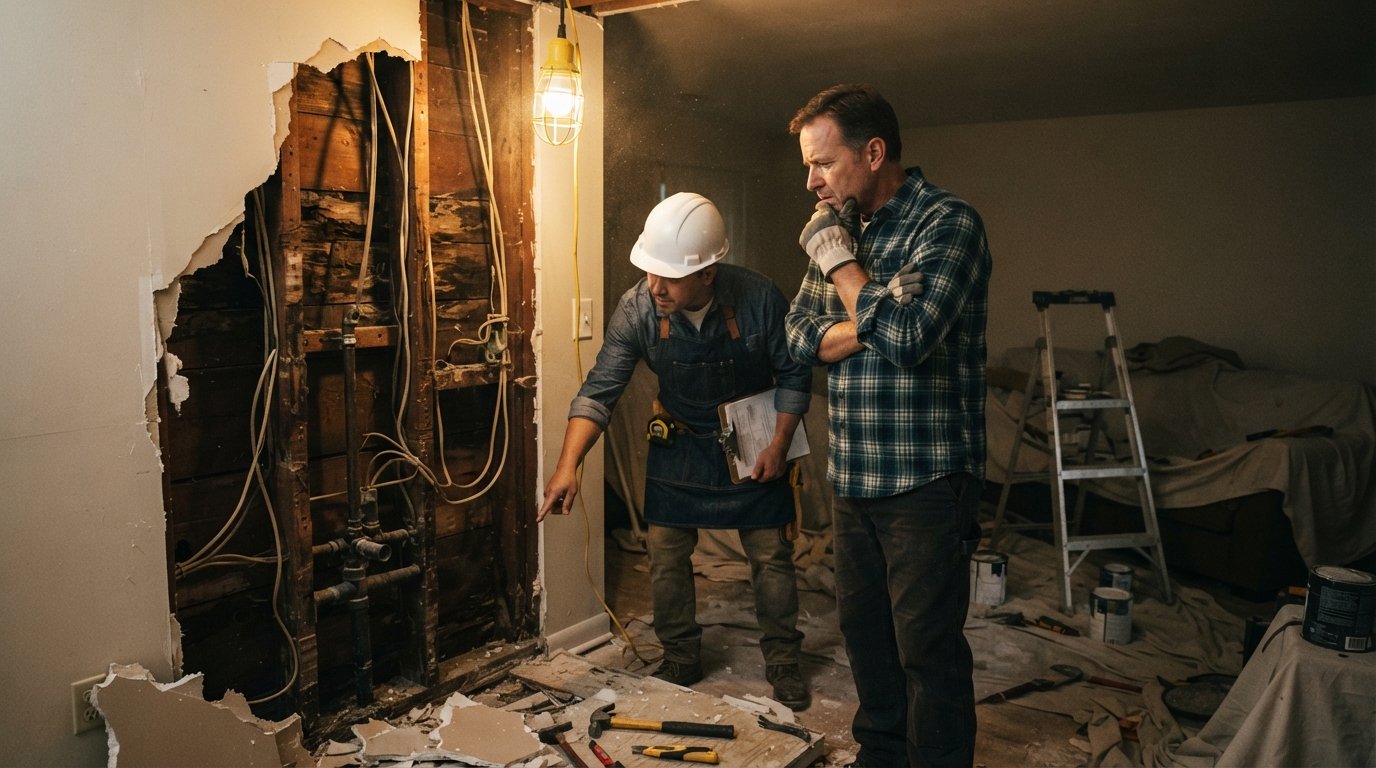
You have planned your renovation budget down to the last dollar. You have compared quotes, selected finishes, and set aside a contingency fund. Then the walls open up and reveal rotting subfloor, outdated wiring, or a plumbing nightmare that nobody could have predicted. Suddenly, your carefully planned budget feels like a rough estimate.
Unexpected costs are not a matter of if, but when. According to industry surveys, nearly two-thirds of homeowners who renovate end up spending more than they planned, often by 20 percent or more. The difference between a stressful project and a successful one often comes down to how you prepare for the financial surprises that renovation inevitably brings.
This guide walks you through practical strategies for managing unexpected costs during home renovation, from building the right contingency fund to knowing when to pause a project and renegotiate. You will learn how to protect your wallet without sacrificing the quality of your home improvement project.
Why Renovation Costs Spiral Beyond the Estimate
Before you can manage unexpected costs, it helps to understand why they happen in the first place. Most renovation estimates are based on visible conditions, not the hidden reality behind your walls, under your floors, or inside your roof. A contractor can measure square footage and count fixtures, but they cannot see what lies beneath the surface until demolition begins.
Older homes are especially prone to surprises. A home built in the 1970s may have outdated electrical panels, galvanized pipes, or asbestos-containing materials that require specialized abatement. Even newer homes can hide issues like improper insulation, unpermitted prior work, or structural damage from pests or water intrusion. When these issues surface, they add both materials and labor to the project.
Another common cause of budget overruns is scope creep. This happens when you decide, mid-project, that you want to upgrade the cabinet hardware, add a skylight, or move a load-bearing wall. These changes are not contractor mistakes; they are your own evolving choices. Still, they can quickly push a modest renovation into a major financial commitment.
Finally, there is the simple reality that construction costs fluctuate. Lumber prices, labor rates, and material availability can change between the time you receive a quote and the time your contractor purchases supplies. Some contractors include escalation clauses that allow them to pass these increases on to you.
Build a Realistic Contingency Fund
The single most effective strategy for managing unexpected costs during home renovation is to budget for them before you start. A contingency fund is money set aside specifically for surprises. The size of that fund depends on the age and condition of your home, as well as the scope of your project.
For a cosmetic renovation, such as painting or replacing flooring, a 10 percent contingency may be sufficient. For structural work, electrical rewiring, or plumbing changes, you should plan for 15 to 20 percent of the total project cost. If your home is older than 30 years, consider setting aside 25 percent. These percentages are not arbitrary; they reflect the likelihood that hidden issues will emerge.
Your contingency fund should be separate from your main renovation budget and from your emergency savings. It is not meant to cover upgrades or additions. It exists only for unexpected necessary expenses. If the project finishes under budget, you can use the leftover funds for other home improvements or savings.
Here is a simple framework for setting up your contingency fund:
- Determine the total estimated cost of your renovation, including materials and labor.
- Identify the risk level of your project: low (cosmetic), medium (partial remodel), or high (structural or systems work).
- Multiply the estimated cost by the appropriate percentage (10, 15, or 20) to set your contingency target.
- Store these funds in a separate savings account so they are not accidentally spent.
- Track all change orders and unexpected expenses against this fund as the project progresses.
Remember that your contingency fund is not a blank check. Once it is depleted, any further surprises mean you will need to make difficult decisions, such as delaying a phase of the project or taking on debt. That is why it is wise to build a slightly larger buffer than you think you need.
Get a Detailed, Line-Item Contract
A vague contract is an invitation for unexpected costs. When you receive a quote from a contractor, it should break down every aspect of the project: materials, labor, permits, disposal fees, and any other charges. If a quote is just a single lump sum, ask for a detailed line-item estimate before you sign anything.
Line-item contracts protect you in two ways. First, they make it easier to compare bids from different contractors, since you can see exactly what is and is not included. Second, they provide a baseline for identifying change orders. If the contractor discovers a problem that requires extra work, you can see exactly how it affects the total cost.
Your contract should also specify how change orders will be handled. A good contract requires the contractor to submit a written change order before proceeding with any additional work. This gives you the chance to approve or reject the cost before it is incurred. Verbal agreements, on the other hand, can lead to disputes and surprise charges at the end of the project.
Finally, make sure the contract includes a clause about unexpected conditions. Many contractors include a provision that allows them to charge extra if they encounter hidden issues. This is reasonable, but you want to ensure that the price increase is based on actual costs, not an arbitrary markup. Ask your contractor how they price unforeseen work, and agree on a method in advance.
Understand the Most Common Surprise Costs
While every renovation is unique, certain surprises appear again and again. Knowing what they are can help you anticipate them and plan accordingly.
- Structural issues: Rotted beams, termite damage, or foundation cracks can be discovered once walls are opened. These repairs are often essential for safety and can run into the thousands.
- Electrical and plumbing updates: If your home has outdated wiring or pipes, bringing them up to code is non-negotiable. This is a common surprise in older homes.
- Mold and asbestos: Hidden mold or asbestos-containing materials require professional remediation, which is both expensive and time-consuming.
- Permit and inspection fees: Some homeowners forget to budget for permits, and if your contractor discovers that prior work was done without permits, you may need to pay for inspections and corrections.
- Material price increases: The cost of lumber, steel, or specialty finishes can rise between your quote and the actual purchase date.
You can reduce the likelihood of some of these surprises by investing in a pre-renovation inspection. A home inspector or a structural engineer can evaluate your home before you start, identifying potential issues that might otherwise remain hidden. This costs a few hundred dollars but can save you thousands in unexpected expenses.
Use Change Orders to Stay in Control
When a contractor discovers an unexpected issue, they will likely propose a change order. This is a formal document that describes the extra work and its cost. How you handle change orders can make or break your budget.
First, never approve a change order verbally. Insist on a written document that includes a detailed description of the work, the materials involved, and the exact cost. Review it carefully before signing. If the price seems high, ask for a breakdown and compare it to the original bid.
Second, ask whether the change is truly necessary. A contractor might recommend upgrading a pipe or adding an extra outlet, but those may be optional improvements rather than required fixes. You have the right to decline optional changes, especially if they push your budget over the edge.
Third, consider the timing of change orders. If you approve a change early in the project, it may affect later phases. For example, upgrading the electrical panel might require additional work in the kitchen or bathroom. Ask your contractor to explain any downstream effects before you approve.
Finally, keep a record of every change order and how it impacts your contingency fund. This helps you track spending and make informed decisions if your buffer starts to shrink.
Know When to Pause or Downsize
No matter how well you plan, there may come a point where the unexpected costs exceed your contingency fund. In that moment, you have three options: pause the project, downsize the scope, or take on additional financing. Each has its pros and cons.
Pausing a renovation is not the end of the world. It gives you time to save more money, get additional quotes, or reconsider your priorities. Contractors are often willing to pause for a few weeks or months, though you may need to pay for materials already ordered. This can be a smart move if the surprise expense is large but not urgent.
Downsizing the scope means eliminating or deferring certain elements of the project. For example, if the rewiring ate up your budget, you might postpone the new backsplash or choose a less expensive flooring material. This allows you to complete the essential work while staying within your financial limits.
Taking on additional financing, such as a home equity loan or a credit card, should be a last resort. It can increase the total cost of your renovation significantly due to interest charges. If you do consider this route, compare interest rates and repayment terms carefully.
Protect Yourself With the Right Contractor
Your choice of contractor has a huge impact on how unexpected costs are handled. A reputable, experienced contractor is more likely to identify potential issues before they arise and to price their work fairly. They are also more willing to work with you when surprises occur.
When vetting contractors, ask about their experience with homes similar to yours. Request references and look at their portfolio. Verify that they are licensed and insured. A contractor who is transparent about their pricing and processes is more likely to be trustworthy.
If you are in the middle of a renovation and need a new contractor or a second opinion, platforms like Repairmen can help you find vetted local professionals for repairs and remodeling. They offer service guides and cost estimators that can help you understand what fair pricing looks like.
For new projects, consider using a service like FreeQuotes.Contractors to connect with pre-vetted local contractors. Their free quote request system lets you compare bids side by side, which is essential for managing costs effectively. In our budget guide for home renovation costs, we explain how to evaluate quotes and avoid common pitfalls.
Final Thoughts on Managing Surprises
Unexpected costs are an inevitable part of any renovation, but they do not have to ruin your finances or your peace of mind. By building a realistic contingency fund, insisting on a detailed contract, and staying disciplined with change orders, you can keep surprises under control.
The key is to remain flexible and informed. Renovations are a journey, and the path is rarely straight. When you encounter a financial hurdle, take a breath, assess your options, and remember that you are in charge of the final outcome. With careful planning and a solid team on your side, you can navigate the unexpected and still end up with the home you envisioned.