
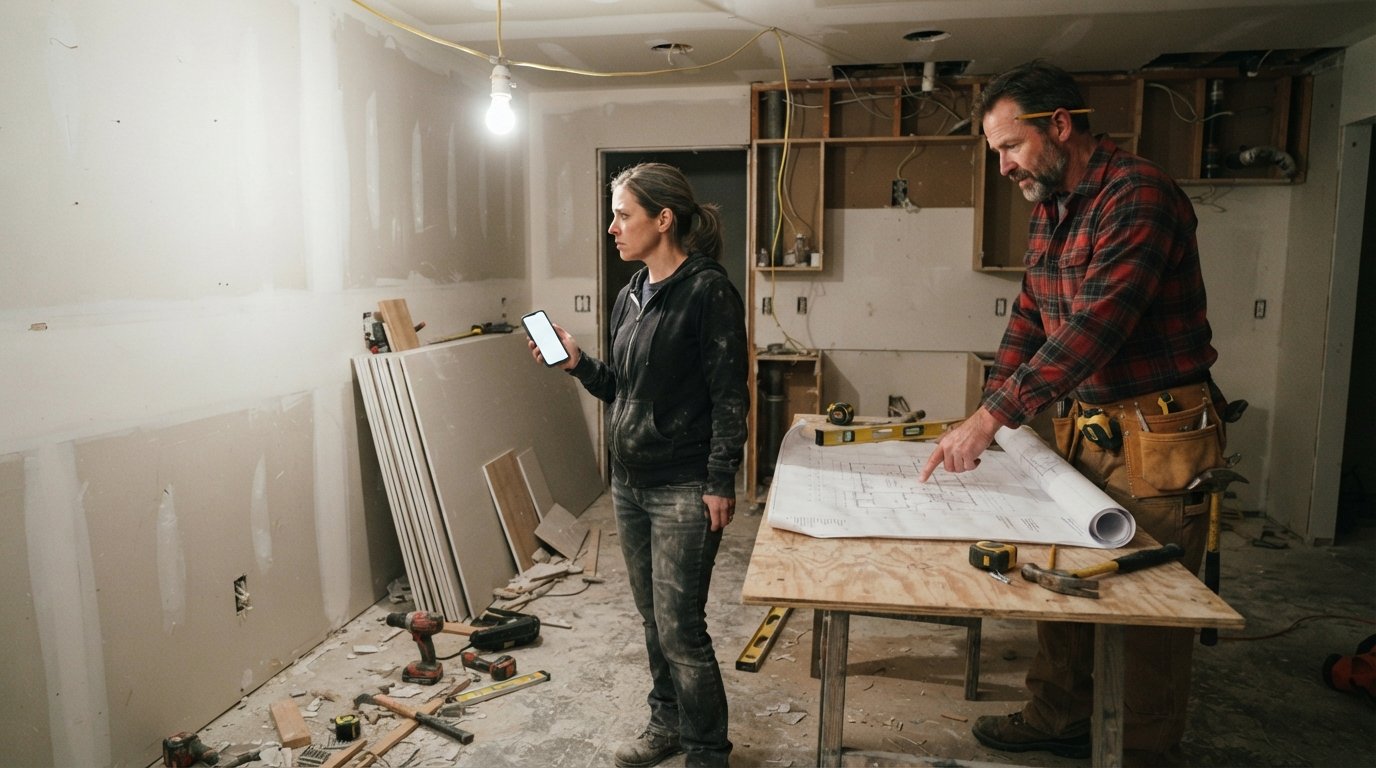
Renovation Delay Causes and Solutions for Homeowners
Discover the most common renovation delay causes and solutions to keep your project on time and within budget.
By Adnan Nazir
Learn more about General Contracting for guides, costs, and what to expect.
Compare General Contracting Pros Near You

Enter your ZIP code to compare top-rated local professionals and request free quotes.
Renovation delays are a near-universal source of stress for homeowners. You planned the timeline, booked time off work, and prepared for the dust, but suddenly the project is weeks behind schedule. While some delays are unavoidable, many are predictable and preventable. Understanding the root causes of renovation delays and having a clear action plan can save you money, protect your sanity, and keep your project moving. This guide breaks down the most common renovation delay causes and solutions, helping you navigate the complexities of your remodel with confidence.
Why Do Renovations Fall Behind Schedule?
Before you can solve a problem, you need to understand why it happens. Renovation delays rarely stem from a single issue. More often, they result from a combination of factors that compound over time. The most frequent culprits include poor planning, unrealistic timelines, and unexpected discoveries once walls are opened. However, the way you manage your contractor relationship and the contracts you sign also play a massive role.
One of the first things to recognize is that a renovation is a complex project with many moving parts. It involves permits, materials, subcontractors, and inspections. Each of these elements has its own schedule and potential for hiccups. A delay in one area, like a delayed cabinet shipment, can cause a cascade of other delays, pushing back the entire project. For instance, if your custom windows arrive late, the framing crew might have to move to another job, and the electrician may not be able to rough in the wiring around the openings.
Scope Creep and Unclear Expectations
One of the most common renovation delay causes and solutions lies in the project's scope. Scope creep happens when the project's boundaries expand after work has begun. You might decide to move a wall, add a skylight, or upgrade fixtures mid-project. These changes seem small at the moment, but they require new materials, additional labor, and often revised permits, which all take time.
To avoid this, you must have a crystal-clear contract before work starts. This contract should detail every aspect of the project, from the exact materials and brands to the specific tasks included. It should also outline the process for change orders. A change order is a formal document that alters the original contract and should include the new cost and the estimated time impact. If your contractor can proceed without a formal change order, you lose all leverage and timeline control. Always insist on a written change order before any extra work begins.
Material Shortages and Supply Chain Issues
The global supply chain remains a wildcard in the construction industry. Lumber, specialty tiles, appliances, and even basic hardware can face shortages or extended lead times. This is a leading renovation delay cause that many homeowners fail to anticipate. The price of materials can also fluctuate, putting your budget at risk if your contract doesn't have a buffer.
Proactive solutions are your best defense. Before signing a contract, ask your contractor to verify the lead times for all major materials. For critical items like windows, doors, and cabinets, you might even consider ordering them yourself once the contract is signed, ensuring they are on hand before the demolition begins. Another strategy is to select materials that are readily available. If a specific tile has a six-week backorder, consider an in-stock alternative that offers a similar aesthetic. Your contractor can be a valuable resource here, guiding you toward materials that are both stylish and readily available.
Permit and Inspection Delays
Municipal permit processes are often slower than expected. While some jurisdictions issue permits in a few days, others can take weeks or even months. The permit is not just a formality; it's a legal requirement that protects your safety and your home's value. Delays can occur if your plans are incomplete or don't meet local building codes, leading to revisions and resubmissions.
The solution here is to build the permit timeline into your project schedule from the very beginning. Ask your contractor who is responsible for pulling the permit. In most cases, the contractor does this, but you should confirm it in writing. Also, ask for a timeline estimate. Once the permit is issued, inspections are scheduled at various stages (rough-in, final). These inspections are typically scheduled by your contractor, but you can ask to be notified so you are aware of potential hold points. If the inspector finds an issue, it can delay the project, but that's a necessary check to ensure the work is done correctly.
Contractor Availability and Scheduling Conflicts
Contractors often juggle multiple projects at once. This is a business reality, but it can lead to scheduling conflicts that delay your renovation. A good contractor will be upfront about their workload and the number of days they can dedicate to your project each week. If they are only available two days a week, your project will naturally take longer than if they are on-site full-time.
To mitigate this, you should ask specific questions before hiring. How many projects are you currently managing? How many crew members will be on my project? What are your working hours? A contractor who is overcommitted might start your project but then disappear for days to handle another client's emergency. When you request quotes, compare not just the price but also the proposed timeline and the contractor's availability. You can also get a sense of this by reading reviews, but the best approach is direct communication.
Unexpected Structural Issues
No matter how thorough the initial inspection, hidden problems can surface once walls are opened. Rotting wood, outdated wiring, pest damage, or a foundation crack are just a few of the surprises that can derail a timeline and inflate your budget. These findings are a leading cause of renovation delays, especially in older homes.
While you can't prevent these discoveries, you can prepare for them financially and mentally. Set aside a contingency fund of 10% to 20% of your total budget. This is not an optional extra; it is a necessity. When an issue is found, your contractor should stop work, document the problem, and provide you with a change order that outlines the fix and its cost. This is a moment where you must make a decision. Do you approve the extra cost, or do you find a temporary solution? Having the contingency fund means you are not forced into a corner, and the project can move forward without a lengthy pause for financial re-negotiation.
Poor Communication and Documentation
Communication breakdowns between you and your contractor are a subtle but powerful cause of delays. If you are not getting regular updates, you may not be aware of a pending issue. Conversely, if you are constantly changing your mind or failing to make timely decisions (like picking a paint color), you can stall the process. The renovation delay causes and solutions often hinge on how information is shared.
Establish a clear communication protocol from day one. Decide on a primary point of contact, the preferred method (email, phone, or a project management app), and the frequency of updates (e.g., a daily email or a weekly in-person meeting). Also, create a decision schedule. If the contractor asks you to choose a faucet by Friday, make it a priority. A delayed decision by you is just as disruptive as a delayed material shipment by the contractor. Good documentation is also key. Keep copies of all contracts, change orders, and communication. This prevents misunderstandings and provides a clear reference point if disputes arise.
Weather and Seasonal Factors
For renovations that involve the building envelope (roofing, siding, windows, or an addition), weather is an uncontrollable variable. Rain, snow, or extreme heat can halt work for safety and quality reasons. For example, roofing cannot be installed in the rain, and exterior painting is not effective in freezing temperatures. These delays are often short but can be frustrating if they happen frequently.
While you cannot control the weather, you can plan your project seasonally. In many climates, spring and fall offer the most predictable weather for exterior work. If you are doing a major remodel, discuss the schedule with your contractor to see if you can time the exterior phases to avoid the wettest months. Also, be realistic about your timeline. A project that starts in late autumn may be pushed into the next year due to winter weather, so it is wise to build a buffer into your schedule for these potential interruptions.
Financial Holds and Payment Disputes
Money is a powerful motivator, and payment disputes can bring a renovation to a standstill. If you refuse to pay for a completed phase because you are unhappy with the workmanship, or if you run out of funds, the contractor will likely stop work. This is one of the most contentious renovation delay causes and solutions, as it involves trust and legal agreements.
The best way to prevent this is to have a clear, detailed payment schedule in your contract. This schedule should tie payments to specific milestones (e.g., 10% deposit, 30% upon completion of framing, 30% upon rough-in, 20% upon final inspection, and 10% upon final walkthrough). Never pay for work that has not been completed. If you are dissatisfied with a phase, document the issues and withhold payment until they are resolved. This gives you leverage. Conversely, if the work is done well and on time, pay promptly to maintain a positive relationship. If a dispute escalates, consider mediation before a full legal battle, which can be costly and time-consuming for all parties.
Effective Solutions to Minimize Future Delays
While you cannot eliminate all risks, you can significantly reduce the likelihood and impact of delays. The project's success is heavily influenced by the planning phase and the professionals you choose. The following list is a practical summary of the most effective measures you can take:
- Detailed Contract: Ensure your contract includes a full scope of work, material lists, a payment schedule, a start date, and an estimated completion date.
- Contingency Fund: Set aside 10% to 20% of your budget for unexpected discoveries. This prevents financial stalls when surprises arise.
- Pre-Order Materials: Identify long-lead items (windows, cabinets, fixtures) and order them early to secure availability.
- Build in Buffer Time: Add 10% to 15% extra time to your contractor's estimated schedule to account for weather, inspections, or minor setbacks.
- Regular Communication: Establish a weekly status meeting and a clear protocol for daily updates to catch potential issues early.
By implementing these strategies, you are not just hoping for a smooth project; you are actively engineering it. A well-prepared homeowner is a contractor's best partner, and this collaboration is the ultimate solution to many common delay causes.
Your Role in Preventing Delays
As the homeowner, you are the project's CEO. Your decisions, availability, and responsiveness directly impact the pace of the work. One of the biggest mistakes is being indecisive. Every time you delay selecting a tile or a light fixture, you push the schedule. To help, ask your contractor for a decision schedule that lists every choice you need to make and by what date.
Another key role is to be present but not intrusive. Attend the weekly meetings, walk the site, and ask questions. This allows you to catch potential issues early, such as an outlet being installed in the wrong location, before the drywall goes up. If you see something that looks wrong, speak up immediately. Waiting until the end of the week can create a larger issue that is more difficult to fix. Remember that you are paying for this project, and you have the right to be informed and involved.
Learning from the Experience
Every renovation is a learning experience. Once your project is complete, take a moment to reflect on what went well and what caused friction. Did the timeline match the reality? Were you happy with the communication? This reflection will be invaluable if you ever undertake another project. The renovation delay causes and solutions you learned on this project will make you a more effective client for your next remodel.
You might also find it helpful to read about other homeowners' experiences. For instance, understanding how to handle a sudden emergency, such as a plumbing failure, is part of being a prepared owner. In our guide on finding an emergency plumber near me, we explain how to quickly secure a reliable professional, which is a similar skill to managing your renovation contractor.
Ultimately, a successful renovation is a partnership. By understanding the common pitfalls and actively working to prevent them, you not only protect your investment but also build a more productive relationship with the professionals who are helping you create your dream home. When you are ready to start your project, the best first step is to gather multiple quotes. This allows you to compare timelines, costs, and communication styles, ensuring you choose a partner who is aligned with your needs.
Delays are stressful, but they do not have to define your renovation experience. With the right preparation, a solid contract, and a proactive mindset, you can keep your project on track and look forward to the day you finally enjoy your newly renovated space. Repairmen
Learn more about General Contracting for guides, costs, and what to expect.
Compare General Contracting Pros Near You
Enter your ZIP code to compare top-rated local professionals and request free quotes.