
Seasonal Home Maintenance Checklist by Season
A seasonal home maintenance checklist by season helps you prevent costly repairs and keep your home efficient all year.

By Elena John
Learn more about Home Inspection for guides, costs, and what to expect.
Compare Home Inspection Pros Near You

Enter your ZIP code to compare top-rated local professionals and request free quotes.
Your home works hard for you all year, and it needs different kinds of care as the seasons change. A well-planned seasonal home maintenance checklist by season can protect your investment, prevent costly emergency repairs, and keep your living space comfortable and safe. Instead of waiting for a small issue to become a major problem, you can tackle simple tasks each quarter to stay ahead of wear and tear. This guide breaks down the essential chores for spring, summer, fall, and winter, giving you a clear path to year-round home care.
Many homeowners only think about maintenance when something breaks, like a leaking roof or a dead furnace. However, a proactive approach is far more effective and budget-friendly. By following a seasonal routine, you can extend the lifespan of major systems, improve energy efficiency, and avoid the stress of surprise breakdowns. Whether you are a new homeowner or have years of experience, this structured checklist will help you organize your tasks and prioritize what matters most for each season.
Spring: Refresh and Repair After Winter
Spring is the time to assess the damage that winter may have caused. Snow, ice, and freezing temperatures can take a toll on your roof, gutters, and exterior surfaces. As the weather warms up, walk around your property and look for signs of wear. Check for missing or damaged shingles, cracked siding, and loose trim. These small issues can lead to water intrusion if left unaddressed, so early detection is key.
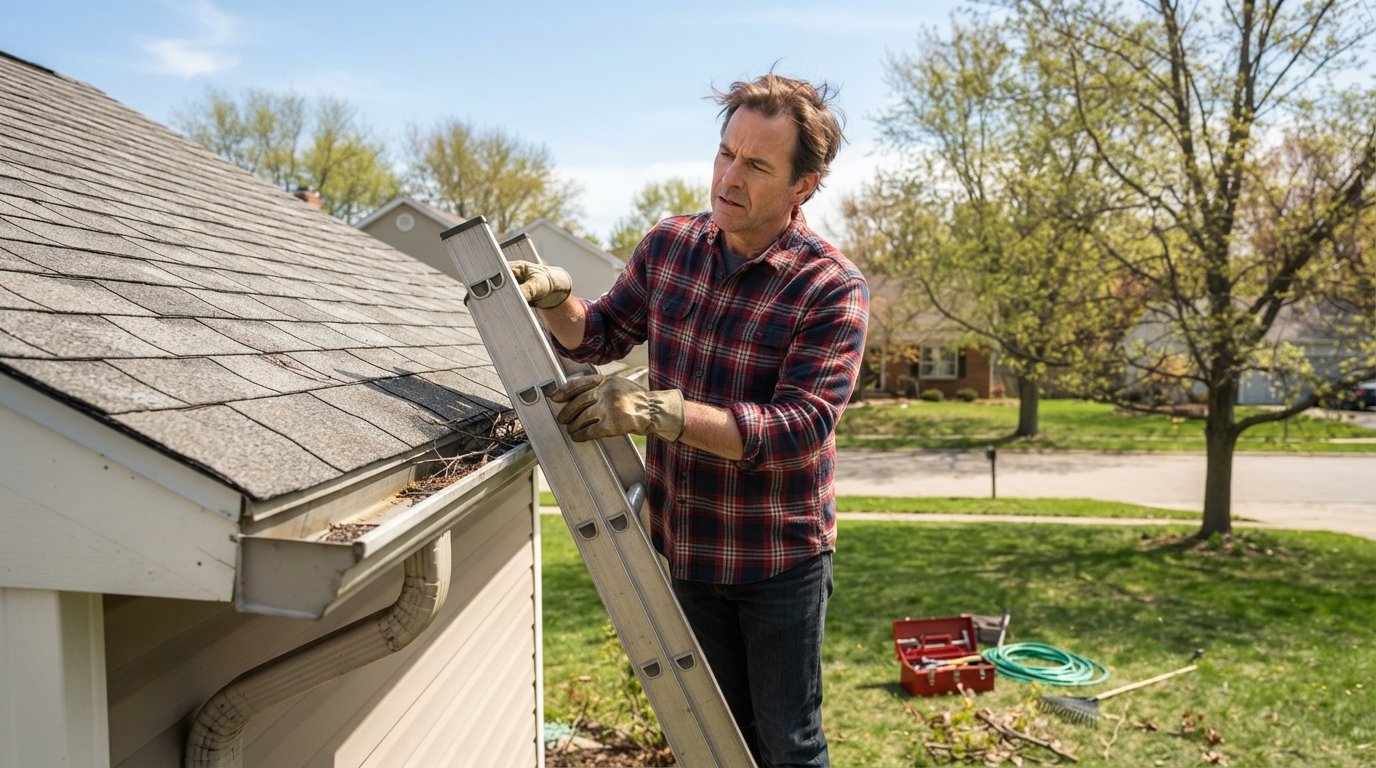
Your gutters also need attention after months of collecting leaves, twigs, and debris. Clogged gutters can cause water to back up and damage your roof, fascia, and foundation. Clean them thoroughly and ensure downspouts direct water at least three feet away from your home's base. If you notice any sagging sections or leaks, repair them now to prevent bigger problems during spring rains.
Another critical spring task is servicing your air conditioning system. Before the heat arrives, schedule a professional tune-up to clean coils, check refrigerant levels, and inspect the ductwork. A well-maintained AC unit runs more efficiently, which lowers your energy bills and extends its lifespan.
Spring Lawn and Garden Care
Your outdoor spaces also need a seasonal refresh. Rake up any remaining leaves, aerate the soil, and apply a fresh layer of mulch to retain moisture and suppress weeds. Test your soil to see if it needs lime or fertilizer before planting new grass or flowers. This is also the perfect time to inspect your irrigation system for leaks or broken sprinkler heads, so you do not waste water during the hot months ahead.
Do not forget to check the exterior of your home for peeling paint or wood rot. Scrape away loose paint, sand rough spots, and apply a fresh coat where needed. This not only improves curb appeal but also protects the wood from moisture damage. If you have a deck or patio, clean it thoroughly and reapply a protective sealant to keep it looking great and lasting longer.
Summer: Handle Heat and Humidity
Summer brings intense heat and sometimes high humidity, which can strain your home's systems. One of the most important tasks is to check your air conditioning filters monthly and replace them as needed. A dirty filter restricts airflow, forcing your unit to work harder and raising your energy costs. You should also inspect the area around your outdoor AC unit, clearing away any vegetation or debris that could block airflow.
Summer is also the ideal time to inspect your roof for heat damage. Asphalt shingles can crack or blister under extreme sun exposure. Look for any signs of warping, curling, or missing granules. If you spot problem areas, address them quickly to avoid leaks during the next storm. For a thorough assessment, consider hiring a professional roofing contractor to perform an inspection, as they can spot issues you might miss.
Your home's exterior also needs attention during summer. Check the caulking around windows and doors, and reseal any gaps that let cool air escape and warm air enter. This simple step improves energy efficiency and keeps your home more comfortable. Also, inspect your siding for cracks or holes, and repair them to prevent insects and moisture from getting inside.
Summer Safety and Outdoor Living
Before you fire up the grill or host a backyard party, make sure your outdoor spaces are safe. Check your deck or patio for loose boards, protruding nails, or signs of rot. Test your outdoor outlets and ensure they have ground fault circuit interrupters (GFCIs) to protect against electrical shocks. If you have a pool, inspect the pump, filter, and safety covers to ensure everything is in working order.
Summer is also a good time to check your home's ventilation. Attic fans and exhaust fans help remove hot, humid air, which reduces the load on your air conditioner. Clean the fan blades and ensure the vents are not blocked. Proper ventilation also prevents mold growth in your attic and crawl spaces, which is especially important in humid climates.
Fall: Prepare for Colder Weather
Fall is the season to prep your home for winter's chill. One of the first things you should do is clean your gutters again, as falling leaves can quickly clog them. Blocked gutters cause ice dams in winter, which can damage your roof and cause water to leak into your home. Once they are clean, consider installing gutter guards to reduce future buildup.
Next, inspect your heating system. Schedule a professional furnace tune-up to clean the burner, check the heat exchanger for cracks, and replace the air filter. A well-maintained heating system runs more efficiently, keeps your home warmer, and reduces the risk of carbon monoxide leaks. While you are at it, replace the batteries in your smoke and carbon monoxide detectors, and test them to make sure they work.
Fall is also the perfect time to seal any drafts around windows and doors. Apply weatherstripping or caulk to close gaps, which will keep warm air inside and cold air out. This simple task can significantly lower your heating bills. If you have older windows, consider adding plastic film insulation or replacing them with energy-efficient models for even better savings.
Fall Yard and Foundation Care
Your lawn needs special attention in the fall to survive the winter. Rake up fallen leaves, aerate the soil, and apply a winterizing fertilizer to promote strong root growth. Trim back overhanging branches that could break under heavy snow and damage your roof or power lines. Also, disconnect and drain your garden hoses, and shut off the outdoor water supply to prevent pipes from freezing.
Take a walk around your foundation and look for cracks or gaps. Seal any openings with caulk or foam to keep out rodents and insects looking for a warm place to stay. Make sure the ground slopes away from your home so that melting snow does not pool near the foundation. This prevents water damage and structural issues down the line.
Winter: Protect and Conserve
Winter is all about protection and conservation. With freezing temperatures and harsh weather, your home faces unique challenges. First, check your attic insulation to ensure it is adequate. Proper insulation keeps heat inside and prevents ice dams from forming on your roof. If you have less than 12 inches of insulation, consider adding more to improve energy efficiency.
Frozen pipes are a common winter emergency. To prevent them, let faucets drip slightly during extremely cold nights, and open cabinet doors to allow warm air to circulate around plumbing. If you are going away, set your thermostat to at least 55 degrees Fahrenheit to prevent freezing. In our guide on government grants for energy efficient home upgrades, we explain how you can fund insulation and other improvements.
Winter storms can bring heavy snow and ice, which is tough on your roof. Use a roof rake to remove snow buildup, especially after large storms. This reduces the weight on your structure and minimizes the risk of ice dams. Be careful not to damage shingles while raking, and never climb onto a snowy roof unless you have the right safety equipment.
Indoor Maintenance Tasks
While the weather keeps you indoors, focus on tasks that do not require being outside. Check your plumbing for leaks under sinks and around toilets. Look for signs of moisture or mildew, which can indicate a hidden leak. Also, inspect the seals around your refrigerator and freezer doors, and clean the coils to improve efficiency.
Winter is also a good time to check your home's ventilation. Run exhaust fans in the bathroom and kitchen to reduce humidity, which helps prevent mold and condensation on windows. If you have a whole-house humidifier, clean it and set it to a comfortable level. Keeping indoor humidity between 30 and 45 percent helps protect your wood floors and furniture.
Year-Round Maintenance Quick Reference
To help you stay on track, here is a quick reference list of tasks that you should perform throughout the year, regardless of the season.
- Test smoke and carbon monoxide detectors monthly, and replace batteries twice a year.
- Inspect your fire extinguisher and ensure it is fully charged and accessible.
- Clean or replace HVAC filters every one to three months, depending on usage.
- Check for leaks around plumbing fixtures and under sinks, and repair them promptly.
- Walk your property after major storms to spot any new damage or hazards.
Staying on top of these simple tasks can prevent minor issues from becoming expensive repairs. For example, a small roof leak that goes unnoticed can lead to water damage, mold, and structural problems. By addressing issues early, you save money and protect your home's value.
How to Hire a Contractor for Seasonal Maintenance
Some maintenance tasks are too complex or dangerous for DIY, such as roof inspections, HVAC tune-ups, or electrical work. In these cases, hiring a licensed, experienced contractor is the smart choice. Start by asking for recommendations from friends or neighbors, and then verify credentials and insurance before signing any contract. Get multiple quotes to compare pricing and services, and read reviews to gauge reliability.
When you are ready to hire, FreeQuotes.Contractors can connect you with pre-vetted local professionals for your seasonal maintenance needs. Whether you need a roofer, an HVAC technician, or a general handyman, the platform simplifies the process of finding and comparing qualified contractors. You can submit a free quote request and receive customized bids from local pros, which saves you time and ensures you get a fair price. For additional help with small repairs or ongoing maintenance, platforms like Repairmen offer a national network of vetted service professionals who can handle a wide range of home tasks, from appliance repair to remodeling.
Before hiring, always ask for proof of licensing and insurance, and check their references. A reputable contractor will be happy to provide this information. Also, get the terms of the job in writing, including the scope of work, timeline, and payment schedule. This protects both you and the contractor and helps avoid misunderstandings later.
Final Thoughts on Seasonal Home Care
Maintaining a home is a continuous responsibility, but it does not have to be overwhelming. By breaking it into a seasonal home maintenance checklist by season, you can manage tasks gradually and keep your home in great shape all year. Each season brings its own challenges, and addressing them proactively is the best way to avoid costly repairs and ensure your home remains a safe, comfortable haven.
Remember, you do not have to do everything at once. Start with the tasks that are most urgent or that you can handle comfortably. Then, build a routine that works for you. With a little effort each season, you will protect your investment and enjoy peace of mind knowing your home is well cared for.